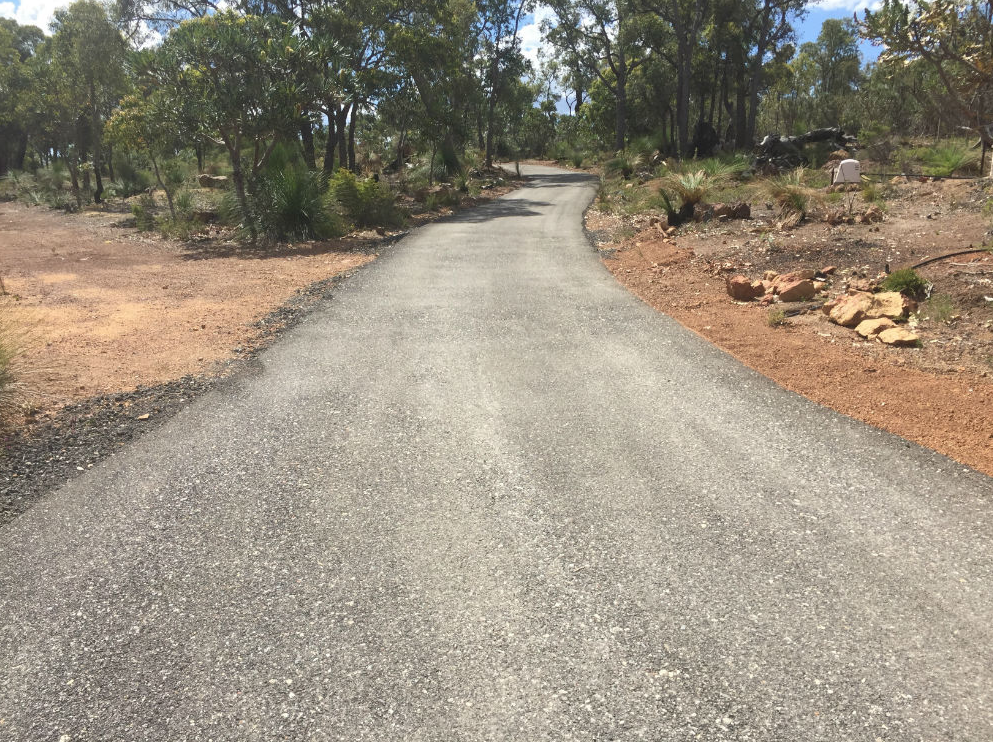
An asphalt surface can begin to look tired long before the pavement underneath has reached the end of its useful condition. Fading, minor cracking, previous repairs and general surface wear can make a driveway, road, parking area or hardstand appear significantly deteriorated, even though the underlying pavement remains firm and stable.
For property owners and businesses in Little River, VIC, this distinction is important. Where the existing pavement is structurally sound, asphalt resurfacing may provide an effective way to renew the wearing surface without unnecessarily reconstructing the entire pavement. The key is establishing whether deterioration is genuinely confined to the upper surface or whether there are deeper problems that need to be corrected first.
What Does Structurally Sound Asphalt Mean?
Asphalt is the visible upper layer of a pavement system. Its performance depends heavily on the prepared foundation and supporting pavement layers underneath.
A structurally sound pavement generally continues to provide stable support despite visible wear at the surface. It should not contain widespread areas that are sinking, moving or deforming significantly under normal traffic.
The surface may still contain imperfections.
Minor cracks, faded asphalt, isolated patches and general wear do not necessarily mean that the pavement foundation has failed.
Professional assessment is therefore important because appearance alone cannot determine whether resurfacing is appropriate.
Why Can Asphalt Look Worn While Remaining Stable?
The wearing surface is directly exposed to vehicle traffic and environmental conditions.
Tyres continually travel across it, vehicles turn and brake, and the surface experiences ongoing exposure throughout its service life. Over time, the asphalt can lose some of its original uniform appearance.
Previously repaired areas may also create a patchwork effect even when the repairs themselves remain stable.
This means an older asphalt surface can look considerably less uniform than when it was first installed while still retaining a serviceable pavement structure underneath.
Where deterioration is primarily superficial, complete reconstruction may not be necessary.
What Is Asphalt Resurfacing?
Resurfacing involves preparing an existing pavement and installing a renewed asphalt wearing layer over a suitable surface.
The process is different from simply covering old asphalt.
Before resurfacing begins, the existing pavement should be inspected for cracks, potholes, depressions, failed repairs, drainage issues and unstable sections. Any defects that could affect the new surface need to be addressed during preparation.
Once the existing pavement has been made suitable, the new asphalt layer creates a renewed driving and wearing surface.
The condition of the pavement underneath is therefore fundamental to the success of resurfacing.
When Is Worn Asphalt a Good Candidate for Resurfacing?
Resurfacing may be worth considering when general deterioration is widespread across the surface but the pavement underneath remains stable.
Typical conditions can include:
- General surface wear
- Fading and loss of a uniform appearance
- Minor or manageable cracking
- Numerous stable previous repairs
- Localised defects that can be repaired beforehand
- A rougher surface without substantial structural movement
- Stable pavement levels across most of the area
These conditions should still be professionally assessed.
The important factor is whether the existing pavement can provide dependable support for the resurfaced layer.
Cracking Does Not Automatically Prevent Resurfacing
Cracks need to be considered carefully, but their presence does not automatically mean resurfacing is unsuitable.
An isolated crack within otherwise stable pavement is different from extensive cracking associated with settlement and movement.
The pattern provides useful information.
Where cracking is relatively limited and the surrounding pavement remains firm, appropriate preparation may allow resurfacing to proceed. Where cracks form dense interconnected patterns alongside rutting, depressions or pavement movement, deeper deterioration may be present.
Covering structurally active cracks without addressing their cause can allow problems to affect the renewed surface later.
Existing Potholes Need to Be Repaired First
Potholes should not simply be covered by a resurfacing layer.
A pothole can indicate that the pavement has lost support in a localised area. Loose asphalt and unstable material need to be addressed before a new surface is installed.
The affected section may need to be removed back to sound pavement.
Where deterioration extends into the foundation, the supporting material can be repaired and compacted before the surface is restored.
This allows localised failures to be corrected while preserving surrounding pavement that remains structurally sound.
Previous Repairs Should Be Checked
Older asphalt surfaces often contain several patches from previous maintenance.
Their presence does not necessarily prevent resurfacing.
If the repairs remain stable, level and well supported, they may continue to form part of the existing pavement. However, patches that have started sinking, cracking around their edges or breaking apart should be investigated.
Unstable repairs should be corrected during preparation rather than hidden beneath the resurfaced layer.
This is another reason a complete pavement inspection is valuable before work begins.
Drainage Still Matters on a Structurally Sound Surface
A pavement can remain broadly stable while developing local drainage problems.
Small changes in surface levels may create areas where water begins collecting. Wheel ruts, shallow depressions or previous repairs can also alter the way rainfall moves across the pavement.
These conditions should be considered before resurfacing.
Where necessary, preparation can correct localised levels and help establish suitable falls for water movement.
A renewed surface should not simply reproduce existing low points where avoidable drainage problems are already present.
Resurfacing Can Restore a More Consistent Surface
One of the main advantages of resurfacing worn but stable asphalt is the opportunity to create a more uniform wearing surface.
Years of use can leave pavement with patches, minor repairs and variations in texture. Although these areas may remain functional, the complete surface can begin to feel increasingly irregular.
After appropriate preparation, resurfacing can provide a smoother and more consistent area for regular vehicle movements.
This can be particularly useful for driveways, access roads, parking areas and hardstands where large sections of the pavement remain structurally serviceable but the upper surface has deteriorated.
Surface Preparation Determines the Quality of the Result
Resurfacing should never be treated as a shortcut around proper pavement preparation.
Before new asphalt is installed, the contractor needs to understand the condition of the existing surface.
Preparation can involve correcting failed sections, repairing potholes, dealing with significant cracking and addressing localised pavement irregularities.
The existing asphalt also needs to provide an appropriate surface for the new layer.
The exact preparation will depend on the condition of the individual pavement, which is why professional assessment should come before deciding on resurfacing.
Stable Foundations Make Resurfacing Possible
The pavement foundation is what makes the distinction between resurfacing and reconstruction particularly important.
If the supporting layers remain stable, there may be little reason to disturb them unnecessarily. The existing pavement can potentially continue providing structural support while the upper surface is renewed.
If the foundation is moving, however, resurfacing cannot correct that movement by itself.
New asphalt installed over unstable pavement will still be affected by the forces underneath.
Determining foundation condition is therefore one of the most important parts of deciding whether worn asphalt can be resurfaced successfully.
When Does Settlement Become a Concern?
Localised settlement does not always rule out resurfacing, but it should be investigated.
A small failed section may be reconstructed before the remainder of the pavement is resurfaced. Widespread settlement is more significant because it can indicate broader foundation problems.
Signs worth investigating include noticeable depressions, uneven pavement levels, water collecting in newly formed low points and cracks around sunken sections.
If these symptoms occur across a substantial part of the pavement, more extensive preparation may be required.
Rutting Can Indicate More Than Surface Wear
Wheel paths can gradually become visible on frequently trafficked asphalt.
It is important to determine whether this is shallow wearing-surface deterioration or deeper deformation within the pavement.
Where supporting materials are moving under vehicle loads, resurfacing alone may not resolve the problem.
The affected sections may require strengthening or reconstruction before the renewed surface is installed.
Traffic patterns should therefore be considered as part of the assessment, particularly where vehicles repeatedly travel, turn or park in the same locations.
Resurfacing Can Preserve Serviceable Pavement
One of the practical benefits of resurfacing is that it can make use of pavement that continues to perform its structural role.
Not every ageing asphalt surface needs to be removed simply because it no longer looks new.
Where the foundation remains stable and defects can be addressed through preparation, resurfacing can renew the upper pavement while retaining suitable supporting layers.
This makes accurate assessment particularly valuable.
The decision should be based on actual pavement condition rather than age or appearance alone.
When Is Resurfacing Unlikely to Be Enough?
There are circumstances where the existing asphalt is too structurally compromised for straightforward resurfacing.
More extensive work may be required where there is:
- Widespread pavement movement
- Significant settlement across multiple areas
- Deep structural rutting
- Numerous recurring potholes
- Extensive cracking associated with foundation movement
- Large unstable sections
- Persistent deterioration caused by underlying pavement failure
In these situations, the supporting structure may need to be repaired or reconstructed before a new wearing surface is considered.
Importantly, this does not always mean every section needs to be removed. Sound areas may still be retained while failed sections receive more substantial preparation.
Why Resurfacing Should Not Simply Hide Existing Damage
A newly resurfaced pavement can look significantly improved, but appearance should not be the only objective.
If unresolved defects remain underneath, the renewed surface can eventually begin showing signs of the same problems.
This is why professional resurfacing focuses heavily on preparation.
Potholes, failed patches, unstable sections, significant cracks and drainage problems should be identified before the new surface is installed.
The goal is to provide the resurfaced asphalt with suitable support rather than use it to disguise deterioration.
How Does a Professional Contractor Assess the Existing Asphalt?
Before recommending resurfacing, an experienced asphalt contractor should consider the pavement as a complete system.
The assessment may include the condition and distribution of cracks, previous repairs, potholes, pavement levels, wheel ruts, depressions, drainage and evidence of foundation movement.
Traffic also matters.
A surface used primarily by lighter vehicles may experience different stresses from a hardstand or access area carrying frequent heavier traffic.
Considering how the pavement is actually used helps determine whether its existing structure remains suitable for resurfacing.
Addressing Worn Asphalt Before Deeper Failure Develops
There can be value in assessing a worn surface while its supporting pavement is still performing effectively.
As deterioration progresses, cracks can provide pathways for water, localised defects can expand and traffic can place increasing stress on weakened areas.
Eventually, what began as wearing-surface deterioration may contribute to deeper pavement problems.
Professional inspection can help determine whether the pavement has reached an appropriate stage for resurfacing before more extensive structural deterioration develops.
Resurfacing Should Match the Existing Pavement
There is no universal resurfacing approach suitable for every asphalt area.
A driveway, road, parking area and hardstand can each have different traffic demands, drainage requirements and existing pavement conditions.
The preparation and resurfacing method should therefore respond to the individual site.
For properties in Little River, assessing these factors before work begins helps ensure that the proposed treatment is based on what the pavement actually requires rather than simply how worn it appears.
Conclusion
Yes, resurfacing can restore asphalt that looks worn while remaining structurally sound. General surface deterioration, fading, stable repairs and manageable cracking do not necessarily justify removing an otherwise serviceable pavement.
The key is confirming that the supporting pavement remains stable. Potholes, failed sections, significant cracks, drainage problems and localised settlement should be addressed during preparation before a renewed asphalt surface is installed. Where deeper structural movement is present, more substantial repairs may be required first.
If your driveway, road, parking area or hardstand in Little River, VIC looks worn but still appears fundamentally stable, Little River Road Tech can assess the existing pavement and determine whether resurfacing is a suitable option. Contact our team to discuss the condition of your asphalt and the preparation required to restore a consistent, dependable surface.
Call us on: 03 4159 2883
Click here to find out more about Little River Road Tech
Click here to complete our contact form and see how we can help with your road needs.