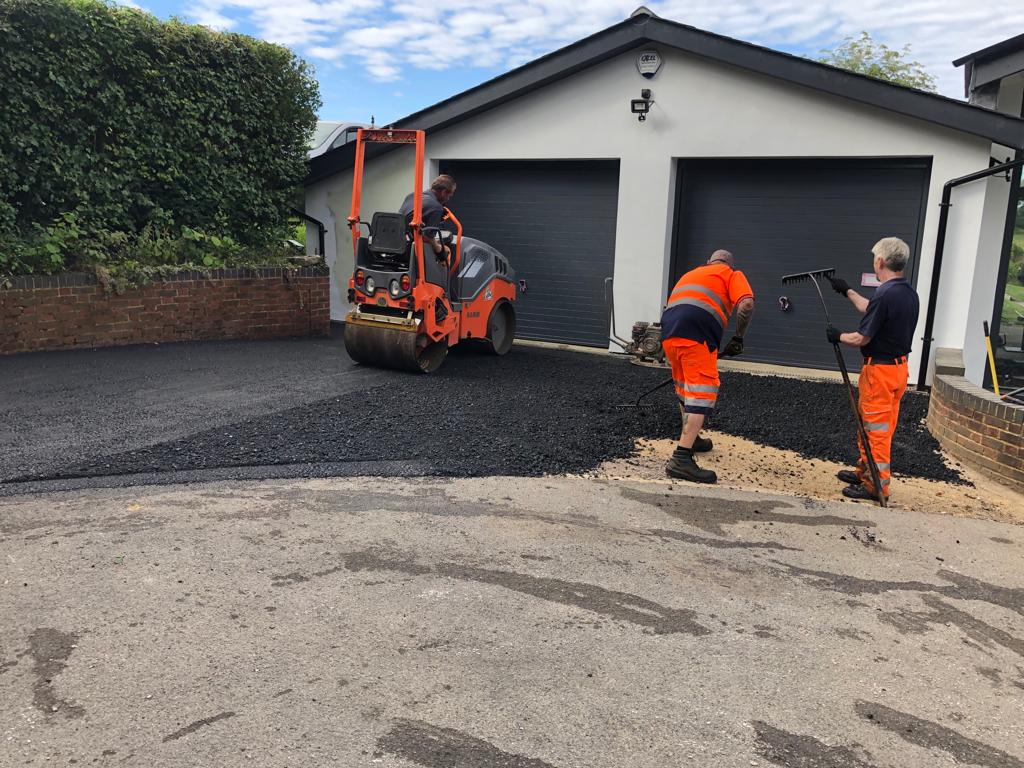
Asphalt is widely used for driveways, access roads, car parks and commercial surfaces because it can accommodate different types of vehicle traffic. From everyday passenger cars to delivery trucks and certain types of heavy equipment, asphalt can provide a reliable and durable surface when the pavement is correctly designed and constructed.
However, not every asphalt surface is suitable for every vehicle. The weight of the vehicle, frequency of use, tyre pressure, turning movements and duration of loading all influence how the pavement performs. A driveway designed for passenger cars will have different structural requirements from a hardstand regularly supporting loaded trucks or heavy machinery.
For property owners and businesses in Little River, VIC, understanding how asphalt performs under different vehicle loads is essential when planning a new surface or upgrading an existing one. Selecting the correct pavement construction helps reduce premature wear and ensures the finished surface is appropriate for its intended use.
Can Asphalt Support Cars, Trucks and Heavy Equipment?
Yes, asphalt can support a wide range of vehicles, including passenger cars, commercial trucks and certain types of heavy equipment. However, the pavement must be designed to accommodate the loads and operating conditions involved.
Asphalt is a flexible pavement material that distributes vehicle loads through the asphalt layer and into the supporting pavement structure beneath it.
When the supporting layers are stable and the asphalt has been installed correctly, the pavement can withstand repeated vehicle movements without excessive deformation.
The important consideration is that vehicle weight alone does not determine whether asphalt is suitable. Axle loads, tyre contact pressure, traffic frequency and how vehicles move across the surface also affect pavement performance.
Is Asphalt Suitable for Passenger Cars?
Asphalt is an excellent option for many residential driveways and parking areas used by passenger vehicles.
Cars generally place relatively modest loads on the pavement compared with heavy commercial vehicles. This makes asphalt a practical choice for everyday access, parking and manoeuvring.
A properly constructed asphalt driveway can provide:
- A smooth and consistent driving surface
- Reliable access during regular use
- A neat and uniform appearance
- Reduced loose material compared with unsealed surfaces
- Practical maintenance and repair options
- A durable surface when supported by a stable foundation
However, residential asphalt still requires appropriate ground preparation and drainage.
If the supporting base is unstable or poorly compacted, the driveway may develop settlement, cracking or depressions even under relatively light traffic.
For residential properties in Little River, VIC, professional preparation helps ensure the driveway is constructed to accommodate regular vehicle movements.
Can Asphalt Handle Delivery Trucks and Commercial Vehicles?
Asphalt can be suitable for delivery trucks, service vehicles and other commercial traffic when the pavement structure is designed for these loads.
Commercial vehicles place greater stress on the pavement than passenger cars, particularly when carrying substantial loads.
Repeated truck movements can cause deterioration if the supporting pavement is insufficiently strong.
Areas where trucks regularly brake, accelerate or turn may experience additional stresses.
For commercial access roads and loading areas, pavement design should consider the types of vehicles using the surface, their expected loads and how frequently they operate.
A properly designed asphalt pavement can provide dependable access for commercial vehicles, but a standard residential driveway construction may not be adequate for the same purpose.
Is Asphalt Suitable for Heavy Equipment?
Asphalt can be suitable for certain areas used by heavy equipment, but the specific machinery and operating conditions must be assessed carefully.
Heavy equipment can place significant concentrated loads on the pavement.
Some machines distribute their weight across multiple tyres, while others apply substantial pressure through smaller contact areas.
Equipment with tracks, rigid wheels, stabilisers or supporting legs may also create loading conditions that differ considerably from normal road traffic.
Slow turning movements can place additional horizontal stresses on the asphalt, while stationary equipment may cause deformation if the pavement is not designed for prolonged loading.
For these reasons, asphalt is not automatically suitable for every heavy equipment application.
An experienced contractor can assess whether an appropriately designed asphalt pavement will perform reliably or whether an alternative surface construction would be more suitable.
Why Vehicle Weight Is Only Part of the Equation
When selecting asphalt for a driveway, road or hardstand, it is easy to focus primarily on vehicle weight.
However, the way that weight is transferred into the pavement is equally important.
A heavy vehicle distributes its load through its tyres and axles. The pressure applied at each contact point influences the stress experienced by the asphalt and supporting layers.
Repeated loading can gradually contribute to pavement fatigue, particularly where vehicles travel along the same wheel paths.
The following factors should be considered during pavement design:
- Vehicle types and axle loads
- Frequency of vehicle movements
- Tyre pressures and contact areas
- Braking and acceleration
- Turning and manoeuvring
- Duration of stationary loading
- Existing ground conditions
Understanding these factors helps determine the most appropriate pavement construction for the intended use.
How Does Heavy Traffic Affect Asphalt?
Asphalt is designed to withstand vehicle loading, but repeated heavy traffic places ongoing demands on the pavement.
If the pavement structure is inadequate, several forms of deterioration can develop.
Wheel-Track Rutting
Rutting occurs when depressions develop along frequently used wheel paths.
This can result from deformation within the asphalt layer, the supporting pavement or both.
Heavy vehicles may accelerate rutting where the pavement lacks sufficient structural strength.
Cracking
Repeated vehicle loading can cause fatigue cracking when the pavement experiences excessive bending or movement.
Cracks may initially appear in isolated areas before spreading across the surface.
If water enters through these openings, deterioration can become more extensive.
Surface Deformation
Areas subjected to slow-moving vehicles, braking or tight turning movements may experience additional stresses.
Where the asphalt mixture or pavement construction is unsuitable, these forces can contribute to localised deformation.
Pothole Formation
Potholes may develop when cracks and other defects allow water to enter the pavement, weakening the supporting materials.
Continued vehicle loading can then cause the damaged section to break apart.
These problems demonstrate why the pavement must be designed for the traffic it will actually carry.
Why the Road Base Is Essential for Heavy Vehicle Asphalt
The strength of an asphalt surface depends heavily on the pavement layers underneath it.
Although asphalt provides the wearing surface, the supporting base and subgrade help distribute loads and maintain structural stability.
If these layers are weak or poorly compacted, heavy vehicles can cause excessive pavement movement.
Over time, this may lead to rutting, cracking and settlement.
Before constructing an asphalt surface intended for trucks or heavy equipment, the ground should be assessed to determine whether it can support the expected loads.
Preparation may involve excavation, installing suitable pavement materials, grading and compaction.
Where the existing ground is unsuitable, additional strengthening or stabilisation may be necessary.
For commercial and industrial surfaces in Little River, VIC, professional base preparation is particularly important where repeated heavy vehicle movements are expected.
Does Asphalt Thickness Matter for Heavy Vehicles?
Yes. Asphalt thickness is an important part of pavement design, particularly where heavier traffic is involved.
However, the required thickness cannot be determined by vehicle type alone.
It also depends on the strength of the supporting pavement, the asphalt mixture, traffic frequency and expected loading conditions.
A surface used primarily by passenger cars may require a different pavement structure from one regularly carrying loaded trucks.
In some applications, a stronger base or additional asphalt thickness may be appropriate.
Simply installing a thicker asphalt layer over an unstable foundation does not necessarily resolve structural weaknesses.
The entire pavement must be considered to achieve a reliable result.
Why Turning Areas Need Special Attention
Turning and manoeuvring areas often experience greater surface stress than straight sections of pavement.
When a vehicle turns, its tyres apply horizontal forces to the asphalt.
These forces can be particularly significant when heavy trucks or machinery turn slowly within a confined area.
Repeated turning movements may contribute to surface displacement or deformation if the pavement is not designed for these conditions.
Commercial entrances, loading access routes and hardstands should therefore be assessed for concentrated turning movements.
Additional pavement strengthening or a different surface treatment may be necessary in areas subjected to particularly demanding operations.
Can Asphalt Support Stationary Heavy Vehicles?
Asphalt can accommodate parked vehicles when the pavement is appropriately designed.
However, prolonged stationary loading can create different stresses from moving traffic.
A heavy vehicle parked in the same position for extended periods may place sustained pressure on particular sections of the pavement.
Equipment supported by stabilisers, stands or concentrated contact points can create even greater localised loading.
In warm conditions, asphalt may also become more susceptible to deformation under sustained pressure.
For these reasons, areas intended for long-term heavy vehicle parking or equipment storage should be assessed individually.
The most suitable pavement may involve a stronger asphalt construction or an alternative material in areas exposed to concentrated stationary loads.
Why Drainage Matters for Heavy-Duty Asphalt
Effective drainage is essential for all asphalt surfaces, but it becomes particularly important where heavy vehicles are involved.
Water entering the pavement through cracks, damaged edges or poorly sealed sections can weaken the supporting layers.
When heavy vehicles pass over weakened areas, the pavement may deform or deteriorate more rapidly.
Poor surface levels can also allow rainfall to collect in wheel tracks and depressions.
Professional asphalt construction should therefore establish suitable drainage falls and consider how water will move away from the trafficable area.
For properties in Little River, VIC, correct grading and drainage planning help protect the pavement against moisture-related deterioration.
Can an Existing Driveway Be Upgraded for Trucks?
In some circumstances, an existing driveway or access road can be upgraded to accommodate heavier vehicles.
However, the appropriate method depends on the condition and construction of the existing pavement.
If the supporting layers are sufficiently strong, resurfacing or targeted strengthening may be appropriate.
Where the pavement was originally constructed for light vehicles and lacks adequate structural capacity, additional asphalt alone may not provide a reliable solution.
The existing pavement may need to be excavated and reconstructed with stronger supporting materials.
A professional assessment can determine whether the current structure can be retained or requires more extensive improvements.
Is Asphalt Resurfacing Suitable for Heavy-Traffic Areas?
Asphalt resurfacing can be suitable for heavy-traffic areas when the underlying pavement remains structurally sound.
Over time, the wearing surface may deteriorate through traffic, ageing and environmental exposure.
Where the supporting layers remain stable, resurfacing can restore the upper asphalt layer and improve the condition of the trafficable surface.
However, deep rutting, extensive cracking, recurring potholes or pavement settlement may indicate structural problems.
These defects should be investigated before resurfacing.
If the existing pavement cannot support the expected vehicle loads, strengthening or reconstruction may be necessary.
The objective is to ensure the new surface is supported by a pavement capable of accommodating continued traffic.
How Can You Maintain Asphalt Used by Heavy Vehicles?
Regular maintenance is important for asphalt surfaces exposed to frequent commercial traffic.
Heavy vehicle movements can place additional stress on areas that are already weakened by cracking, drainage problems or surface deterioration.
Early attention to developing defects can help prevent more extensive damage.
Useful maintenance practices include:
- Inspecting frequently used wheel paths
- Monitoring turning and braking areas
- Repairing cracks before water penetrates the pavement
- Addressing potholes promptly
- Keeping drainage routes clear
- Checking for settlement and rutting
- Investigating recurring defects rather than repeatedly covering them
The appropriate maintenance schedule depends on traffic intensity, pavement construction and operating conditions.
Regular inspections can help identify when localised repairs or resurfacing may be required.
Why Professional Asphalt Installation Makes a Difference
Asphalt surfacing for cars, trucks and heavy equipment requires careful consideration of the loads the pavement will experience.
Experienced contractors assess the intended use of the surface, existing ground conditions, drainage requirements and expected traffic before selecting an appropriate construction method.
Professional installation involves preparing the supporting pavement, establishing suitable levels, selecting appropriate materials and achieving correct compaction.
For heavy-duty applications, additional attention may be required in areas exposed to concentrated loads, frequent turning or repeated heavy vehicle movements.
This approach helps ensure the completed pavement is designed for its intended purpose rather than relying on a standard construction method for every application.
Conclusion
Asphalt is suitable for many areas used by passenger cars, commercial trucks and certain types of heavy equipment. Its versatility makes it a practical choice for residential driveways, commercial access roads, parking areas and appropriately designed hardstands.
However, different vehicles place different demands on the pavement. Heavy axle loads, concentrated tyre pressures, repeated turning movements and prolonged stationary loading can all influence asphalt performance.
The key to achieving a durable result is ensuring that the pavement structure, asphalt specification, supporting base and drainage are appropriate for the intended use.
Not every asphalt surface is suitable for heavy equipment, which is why professional assessment is essential before construction or resurfacing begins.
Little River Road Tech provides professional asphalt and bitumen surfacing, resurfacing and pavement preparation services in Little River, VIC. If you are planning a driveway, access road or hardstand that will accommodate cars, trucks or heavier vehicles, contact our team to discuss your requirements and arrange an assessment of the site.
Call us on: 03 4159 2883
Click here to find out more about Little River Road Tech
Click here to complete our contact form and see how we can help with your road needs.