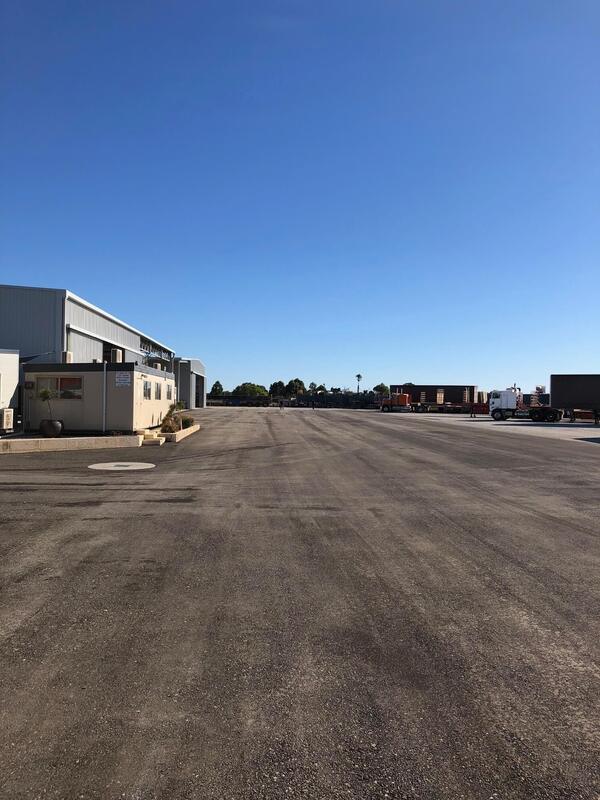
An existing road does not necessarily need to reach an advanced state of deterioration before maintenance is considered. In many cases, acting while the pavement is still structurally sound is one of the most effective ways to preserve its condition. Spray & seal bitumen can provide an additional protective wearing surface that helps shield the pavement from traffic, moisture, and ongoing environmental exposure.
For roads and access surfaces in Little River, VIC, professionally applied spray & seal can form an important part of preventative pavement maintenance. At Little River Road Tech, we provide asphalt and bitumen surfacing solutions designed to protect existing surfaces and support dependable long-term performance.
What Is Spray & Seal Bitumen?
Spray & seal involves spraying a controlled layer of bitumen binder over a prepared pavement and applying selected aggregate while the binder is ready to receive it. The aggregate is then rolled into place to create a durable, textured wearing surface.
Depending on the condition and requirements of the road, the treatment can be designed to provide renewed protection without completely reconstructing an otherwise serviceable pavement.
The success of the treatment depends on correct preparation, appropriate materials, and professional application.
It Creates a Protective Wearing Layer
Road surfaces gradually deteriorate because the upper pavement is continuously exposed to vehicle tyres, sunlight, rainfall, and changing conditions.
Spray & seal creates a new wearing layer over the existing pavement. Instead of traffic acting directly on an ageing surface, the newly applied aggregate and binder become the primary layer exposed to everyday use.
This helps preserve the underlying pavement and slow further surface deterioration.
Reducing Water Infiltration
Water is a major concern for ageing road surfaces.
Once cracks and porous areas allow moisture beneath the pavement, the supporting layers can begin losing strength. Traffic passing over weakened areas may then contribute to cracking, deformation, and eventually pothole formation.
The bituminous component of spray & seal helps seal the existing pavement and reduce moisture infiltration. Maintaining that protective barrier can make a significant difference to the long-term condition of a road.
Renewing a Weathered Surface
Over time, an existing road may become dry, faded, or increasingly vulnerable to surface wear.
This weathering occurs as the pavement is continuously exposed to environmental conditions. If the underlying structure remains suitable, applying spray & seal can renew the road’s wearing surface before deterioration progresses further.
This is why professional assessment is important. Spray & seal is most effective when used at the appropriate stage of the pavement’s lifecycle rather than after significant structural failure has already occurred.
Improving Surface Texture
An ageing road can gradually lose some of its original surface texture as aggregate becomes worn or polished by traffic.
A professionally designed spray & seal treatment introduces a fresh aggregate layer, creating a renewed textured surface. Good surface texture contributes to tyre grip and helps maintain predictable vehicle movement.
Aggregate selection matters because the material must suit the intended traffic and application rather than simply being spread uniformly across every type of road.
Helping Prevent Minor Wear from Escalating
Surface deterioration tends to progress when it is left unmanaged.
Minor wear can expose the pavement to additional moisture and traffic stresses. Small defects may expand, loose material can develop, and previously isolated damage can begin affecting larger sections of the road.
Spray & seal can help interrupt this deterioration cycle by protecting a suitable existing surface before widespread damage develops.
Spray & Seal Is Not a Substitute for Structural Repairs
One of the most important things property owners should understand is that spray & seal cannot correct every pavement problem.
If a road has substantial potholes, unstable sections, significant deformation, drainage problems, or foundation failure, these issues need to be properly addressed before a new surface treatment is applied.
Simply covering serious defects does not remove their underlying cause.
Professional preparation may therefore involve repairing damaged areas, correcting the pavement profile, improving drainage, or completing other remedial work before spray & seal begins.
Good Drainage Remains Essential
A protective surface works best as part of a well-functioning pavement system.
If water continually pools across the road or flows into vulnerable edges, deterioration can continue regardless of the quality of the surface treatment. Correct grading and drainage help move water away from the pavement and protect the supporting structure.
For road surfaces in Little River, VIC, assessing drainage alongside the condition of the pavement is an important part of planning effective maintenance.
Extending the Useful Life of an Existing Road
One of the key advantages of preventative surfacing is the ability to gain more useful service from pavement that still has a sound underlying structure.
Rather than allowing the wearing surface to continue deteriorating, spray & seal can provide renewed protection and help the existing pavement remain functional for longer.
The objective is not simply to improve how the road looks. It is to preserve the pavement while it is still in a condition worth protecting.
When Should Spray & Seal Be Considered?
There is no single point at which spray & seal becomes suitable for every road. The decision should be based on the actual condition of the pavement.
It may be worth arranging a professional assessment when an existing surface is showing general weathering, reduced texture, early deterioration, or a need for renewed protection but remains fundamentally stable.
An experienced surfacing contractor can determine whether spray & seal, repairs, resurfacing, or another treatment is appropriate.
Professional Application Is Critical
Spray & seal performance depends on getting numerous details right, including surface preparation, binder application, aggregate selection, spreading, and rolling.
At Little River Road Tech, we assess the existing pavement before recommending a treatment. This allows the work to be matched to the condition and intended use of each road in Little River, VIC, rather than applying a generic solution.
Professional preparation and application help ensure the treatment provides meaningful protection rather than simply covering the existing surface.
Conclusion
Spray & seal can protect an existing road by providing a renewed wearing layer, reducing water infiltration, restoring surface texture, and shielding the pavement from ongoing traffic and environmental exposure. When applied at the right stage, it can form an effective part of a preventative maintenance strategy and help extend the useful life of a structurally sound road.
If an existing road in Little River, VIC is beginning to show signs of surface ageing, Little River Road Tech can assess its condition and determine whether spray & seal is a suitable solution. Our team provides professional asphalt and bitumen surfacing services focused on proper preparation, durable results, and maintaining reliable pavement performance over the long term.
Call us on: 03 4159 2883
Click here to find out more about Little River Road Tech
Click here to complete our contact form and see how we can help with your road needs.