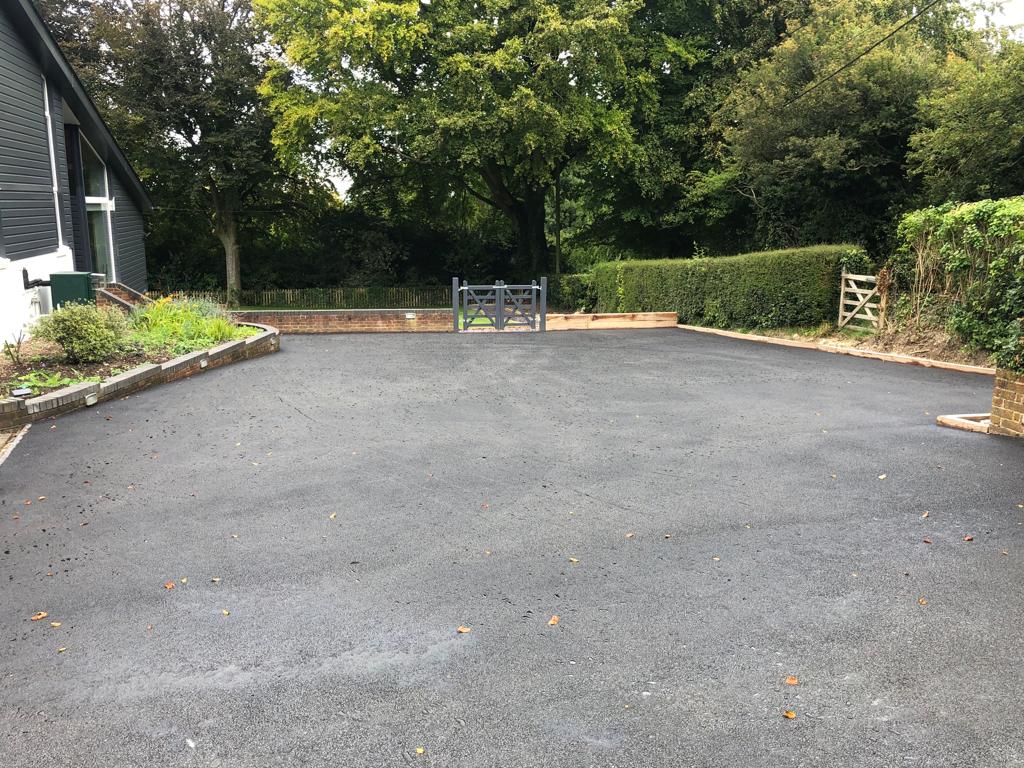
Asphalt surfaces are designed to provide years of dependable performance, but no pavement lasts forever. Over time, repeated traffic, changing weather conditions, and natural ageing gradually take their toll. While individual repairs can effectively address isolated issues, there comes a point when resurfacing becomes the more practical long-term solution.
For property owners and businesses in Little River, VIC, recognising when repairs are no longer enough can help prevent ongoing deterioration and restore the safety, functionality, and appearance of a pavement.
Understanding the Difference Between Repairs and Resurfacing
Repairs are intended to correct specific areas of damage, such as potholes, cracks, or localised surface wear. They are an excellent solution when the majority of the pavement remains structurally sound.
Resurfacing, on the other hand, involves installing a new asphalt layer over the existing pavement once any necessary preparation work has been completed. This restores the surface while retaining the underlying pavement structure where it remains suitable.
Choosing between the two depends on the overall condition of the pavement rather than the size of a single defect.
When Repairs Are Still the Right Option
Targeted repairs remain highly effective when damage is limited to small sections of the pavement.
Repairs are often appropriate when:
- Cracks are isolated
- Potholes are limited to small areas
- The surface remains generally level
- Drainage continues to perform effectively
- The pavement foundation remains stable
Addressing these issues early helps prevent further deterioration and extends the life of the existing surface.
Signs That Resurfacing May Be the Better Solution
As pavements age, isolated defects can become more widespread. Repeated patch repairs may temporarily improve the surface, but they do not address the overall condition of ageing asphalt.
You may wish to consider resurfacing if you notice:
Widespread Cracking
Numerous interconnected cracks across the pavement often indicate that the surface has reached the end of its effective lifespan.
Frequent Repairs
If the same areas continually require attention, the pavement may be deteriorating faster than individual repairs can effectively manage.
Uneven Surface
Depressions, rutting, and widespread surface irregularities can affect both safety and vehicle comfort.
Surface Oxidation
As asphalt ages, it gradually loses flexibility. A faded, brittle surface is more susceptible to cracking and further deterioration.
Reduced Kerb Appeal
For commercial premises, industrial sites, and residential properties alike, a worn surface can negatively affect the overall appearance of the property.
The Benefits of Asphalt Resurfacing
Resurfacing offers a practical way to renew an ageing pavement without completely rebuilding it.
Key benefits include:
- Restores a smooth driving surface
- Improves vehicle and pedestrian safety
- Extends pavement service life
- Enhances drainage performance
- Improves the appearance of the property
- Reduces the need for repeated patch repairs
When the underlying base remains in good condition, resurfacing provides an efficient way to restore pavement performance.
Why the Foundation Matters
Not every ageing pavement is suitable for resurfacing. Before recommending any solution, experienced contractors assess the condition of the pavement beneath the surface.
They evaluate factors such as:
- Base stability
- Drainage performance
- Structural integrity
- Traffic demands
- Existing pavement thickness
If the foundation remains sound, resurfacing can provide many additional years of reliable service. If structural issues exist beneath the surface, more extensive work may be required to achieve long-term results.
Why Delaying Resurfacing Can Create Bigger Problems
Continuing to patch a pavement that has reached the end of its useful surface life may allow deterioration to accelerate.
As damage spreads, water can penetrate the pavement structure, weakening the foundation and increasing the likelihood of more significant failures. What begins as surface wear can eventually affect the structural layers beneath.
Taking action at the right time helps preserve the pavement and prevents avoidable deterioration.
Professional Assessment Makes the Difference
Every pavement ages differently depending on traffic volumes, environmental conditions, drainage, and previous maintenance.
Professional surfacing contractors conduct a thorough inspection before recommending repairs or resurfacing. This allows them to identify the most appropriate solution based on the actual condition of the pavement rather than simply treating visible defects.
A tailored approach ensures the work delivers reliable long-term performance.
Maintaining Your Resurfaced Pavement
Once resurfacing has been completed, routine maintenance will help maximise the lifespan of the new surface.
Property owners should:
- Keep drainage systems clear
- Remove debris regularly
- Arrange periodic pavement inspections
- Repair isolated damage promptly
- Monitor areas subjected to heavy traffic
Proactive maintenance helps preserve the condition of the resurfaced pavement for many years.
Conclusion
While asphalt repairs remain an effective solution for isolated damage, there comes a point when resurfacing provides a more practical and lasting outcome. If your pavement is showing widespread cracking, repeated failures, surface wear, or signs of ageing, resurfacing may restore both its appearance and long-term performance.
At Little River Road Tech, we provide professional asphalt and bitumen resurfacing services throughout Little River, VIC. Whether your surface requires targeted repairs or a complete resurfacing solution, our experienced team can assess its condition and recommend the most suitable approach to achieve durable, long-lasting results.
Call us on: 03 4159 2883
Click here to find out more about Little River Road Tech
Click here to complete our contact form and see how we can help with your road needs.