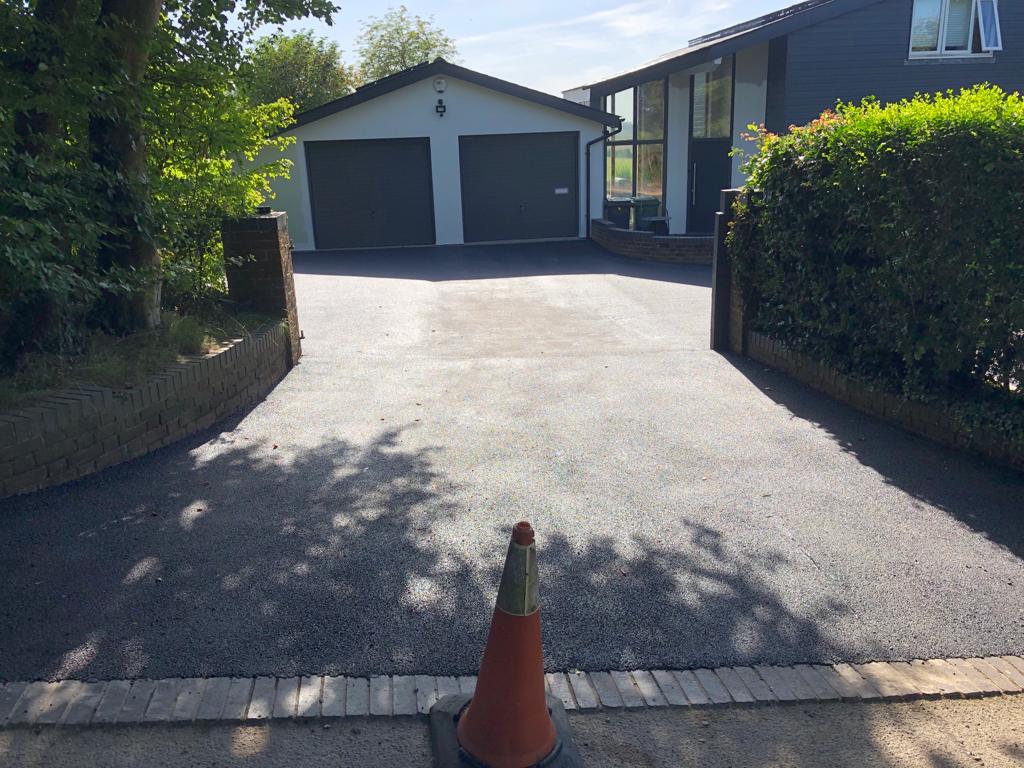
Unsealed roads play an important role in providing access to properties, worksites, and rural areas, but they require ongoing care to remain safe and functional. Without regular maintenance, these surfaces can quickly deteriorate, leading to rough conditions, poor drainage, and reduced usability. In Little River, where unsealed roads are exposed to regular vehicle movement and changing weather conditions, regular grading is essential to maintaining performance and reliability.
At Little River Road Tech, grading is viewed as a proactive maintenance measure that protects unsealed roads and keeps them operating as intended.
Restoring Surface Shape and Levels
Over time, traffic causes unsealed roads to develop corrugations, ruts, and uneven sections. These surface defects reduce driving comfort and place additional stress on vehicles.
Regular grading reshapes the road surface, restoring correct levels and smoothing out irregularities. This improves driving conditions and ensures vehicles can travel safely and efficiently across the road.
Improving Drainage and Water Control
Water is one of the biggest contributors to unsealed road damage. When a road surface loses its shape, water can pool or flow along wheel paths, accelerating erosion and surface breakdown.
Grading re-establishes proper road camber and drainage paths, allowing water to shed away from the surface rather than soaking into it. This helps protect the road base and reduces the risk of washouts and soft spots.
Reducing Surface Wear and Material Loss
As unsealed roads deteriorate, loose material is displaced by traffic, leading to thinning surfaces and exposed base layers. This not only affects road performance but also increases maintenance demands over time.
Regular grading redistributes surface material evenly across the road, reducing material loss and maintaining a consistent driving surface. This helps extend the usable life of the road between more intensive maintenance works.
Enhancing Safety and Vehicle Control
Uneven unsealed roads can reduce traction and make steering unpredictable, particularly during wet conditions. Corrugations and ruts also increase braking distances and vehicle wear.
By smoothing the surface and maintaining correct shape, grading improves tyre contact and vehicle stability, supporting safer travel for all road users.
Supporting Long-Term Road Performance
Grading is most effective when carried out regularly rather than reactively. Addressing surface issues early prevents minor defects from developing into major structural problems that are more difficult to correct.
This preventative approach helps maintain consistent road performance and reduces disruption caused by severely degraded surfaces.
Tailored Grading for Little River Conditions
Local traffic patterns, soil types, and environmental factors all influence how unsealed roads perform. Professional grading in Little River takes these factors into account, ensuring the road surface is shaped to suit its specific usage and conditions.
This tailored approach results in better outcomes than generic maintenance methods.
Conclusion
Regular grading plays a vital role in improving unsealed road performance by restoring surface shape, improving drainage, reducing wear, and enhancing safety. When carried out as part of a planned maintenance strategy, grading helps unsealed roads remain reliable and fit for purpose.
If your unsealed road is showing signs of deterioration, Little River Road Tech provides professional grading services designed to improve performance and extend surface life. Contact our team to discuss how regular grading can help maintain safe and dependable access across your site.
Call us on: 03 4159 2883
Click here to find out more about Little River Road Tech
Click here to complete our contact form and see how we can help with your driveway needs.